Start with your site needs
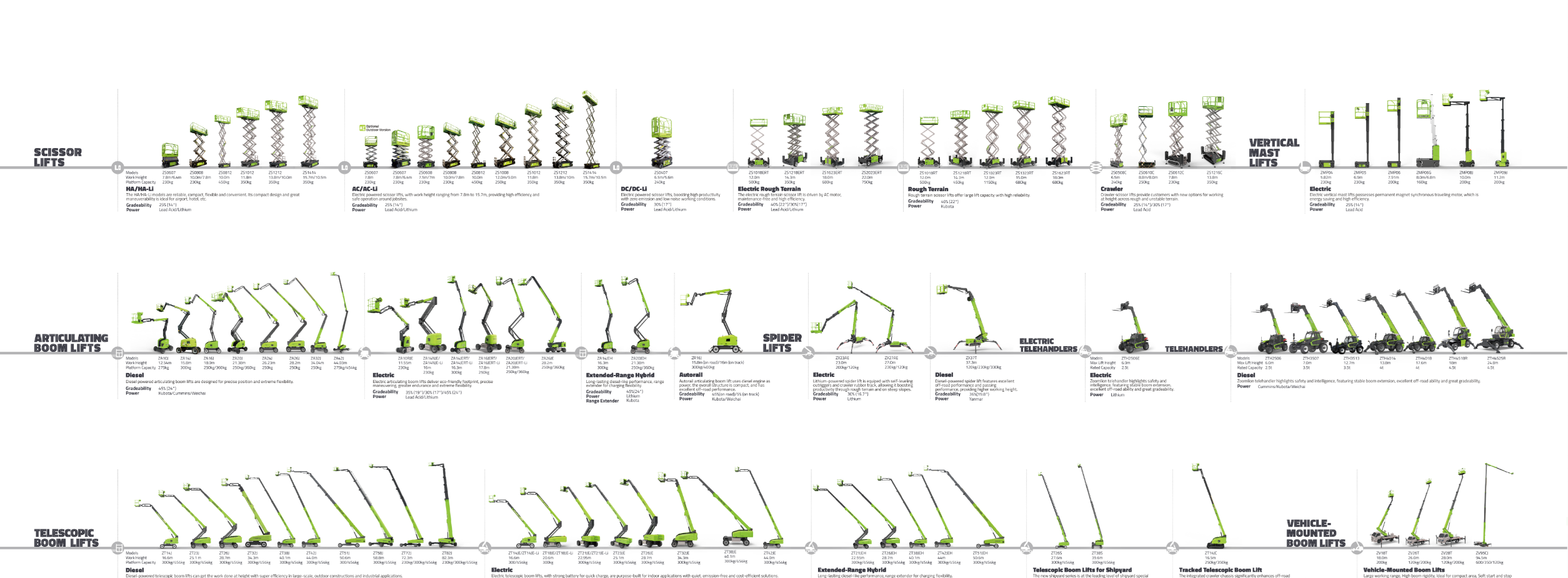
If you’re deciding which rough-terrain scissor lift fits your job, start by matching machine capabilities to the tasks your crew repeats. I’ve helped fleet managers and site supervisors for years, and the first filter I use is whether the model handles your typical loads and ground conditions. Look through manufacturer catalogs and compare models from multiple elevated work platform manufacturers, and check what’s been shown at industry events like Bauma in Munich to see which designs are being prioritized. Also read spec sheets for each elevated work platform you shortlist so you can compare apples to apples.
1. Platform height and reach
Platform height determines whether you actually reach the work area without unsafe stacking or extensions. Confirm maximum platform height, and check working outreach if your tasks require overhang. Match the height to your highest routine task plus a safety buffer; don’t buy for one-off needs unless you rent occasionally.
2. Lift capacity and load distribution
Capacity isn’t just a single number. Note the rated platform load and how it’s distributed—point loads from tools and multiple workers change the effective capacity. Review the platform’s load chart and keep a running list of weights (personnel, tools, materials) when you test machines.
3. Drive system and traction type
Four-wheel drive, two-wheel drive with limited-slip differentials, or hydrostatic systems behave differently on mud, gravel, and rocky grades. Choose a drive system that matches how rough your slopes and surfaces are. Ask for a demonstration or a video of the unit moving on comparable terrain.
4. Ground clearance and tire size
Higher ground clearance and larger tires reduce the chance of tripping over ruts or getting stuck. Confirm minimum clearance, tire type, and whether foam-filled or solid tires are available for your needs. Tires affect ride comfort and maintenance frequency, so factor replacement and downtime into your choice.
5. Gradeability and stability systems
Gradeability (percent slope the unit can climb safely) matters on sloped job sites. Check listed grade performance and whether the lift includes stability aids like automatic leveling or tilt alarms. If you frequently work on banks, prioritize machines with a higher safe-grade spec and reliable sensors.
6. Power source, runtime, and refueling logistics
Diesel, hybrid, and electric options each have trade-offs. Diesel gives longer run time and faster refueling; electric models reduce onsite emissions and noise but need charging infrastructure. Map out your job’s shift length and refueling or charging availability before picking a power type.
7. Suspension, articulation, and maneuverability
Some models include active suspension or articulating axles that smooth travel and improve traction on uneven ground. If you move frequently between obstacles, select a model with tight turning radius and responsive steering. Test how the unit handles confined layouts if your site is congested.
8. Serviceability, spare parts, and support network
Quick access to parts and trained technicians determines uptime. Check local dealer presence, warranty terms, and routine service intervals. Ask for a preventive-maintenance schedule and confirm whether critical components are common across the manufacturer’s fleet—this reduces lead times for repairs.
Common buyer mistakes to avoid
Buyers often pick by headline capacity or a low upfront price without checking real-world fit. Avoid these traps:- Choosing maximum height without testing site clearances.- Ignoring platform load distribution and bringing more weight than the chart allows.- Overlooking local service availability, which costs more in downtime than the machine’s price difference.- Failing to validate power logistics—charging stations or fuel supply must be planned.
When a scissor lift isn’t the best fit
If you need long horizontal outreach, select a boom lift. When loads are irregular or higher than a scissor’s platform capacity, a telehandler may be safer. Use a scissor lift when you need stable, elevated access for personnel and tools over relatively compact footprints.
Decision checklist and next steps
Create a one-page checklist from the eight specs above and score shortlisted machines against site scenarios. Test-drive candidates where possible. Talk to operators, maintenance staff, and procurement so the chosen machine works for everyone involved. The right fit reduces delays and keeps operators safer—often a detail that brands with strong service networks highlight, and you can see those strengths reflected in demo availability and parts logistics from reliable providers like Zoomlion Access.