The problem: inconsistent combustion undermines product quality and permits emissions
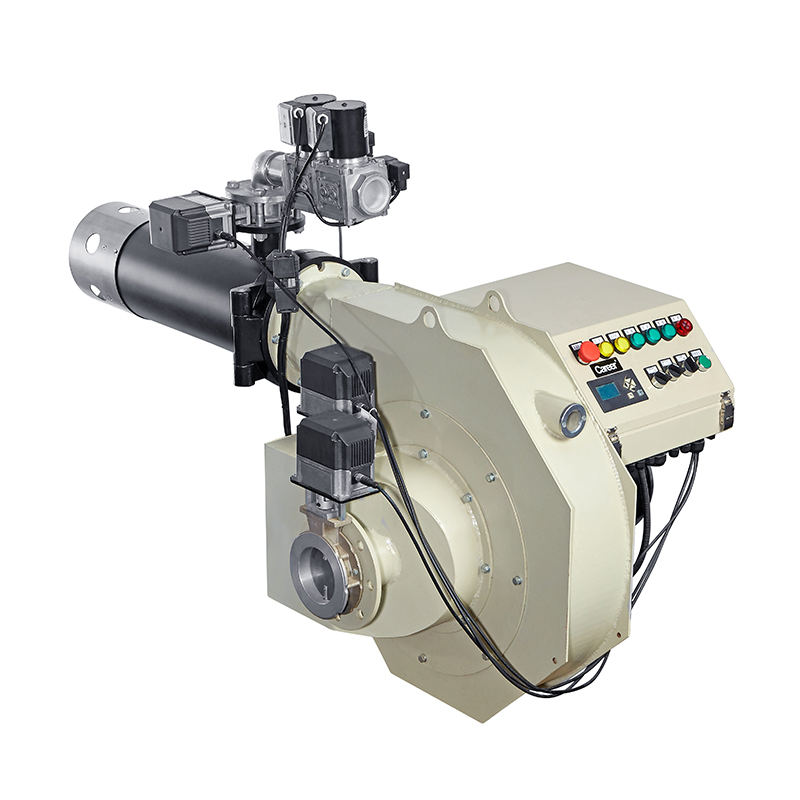
Facilities that depend on oil-fired heat often wrestle with two linked problems: unstable flame dynamics that degrade process control, and variable emissions that threaten permits. Operators switch jets, trim air, or chase short-term fixes instead of addressing root causes. A practical immediate step is fitting a modern low NOx burner where fuel type and combustion geometry allow — it cuts NOx formation and removes one major source of variability without compromising heat delivery.
What causes the gap between designed and real-world performance
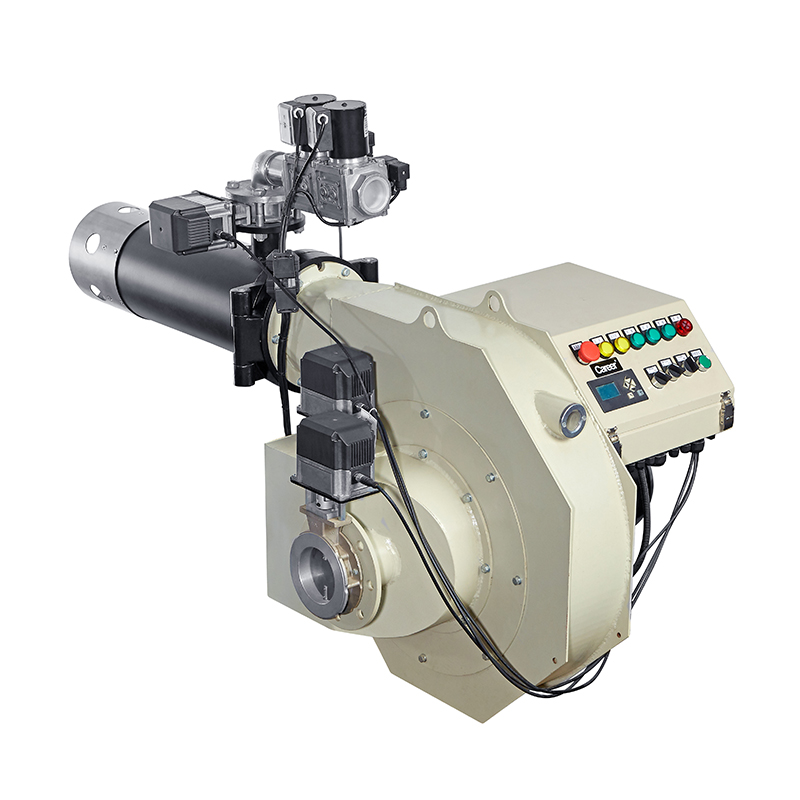
Two factors dominate. First, fuel variability: viscosity, water content, and particulate levels change how fuel atomizes and vaporizes. Second, the interaction between burner hardware and plant air systems — duct leaks, flange misalignments, and fan control deadbands shift equivalence ratio and local flame temperature. These create uneven heat flux to process vessels and unpredictable emissions. You can’t fix quality by tweaking control loops if the flame itself is inconsistent.
Engineering responses that address both quality and emissions
Design choices matter: atomizer selection, nozzle pattern, and staged combustion are primary levers. For oil burners, pressure-swirl and rotary cup atomizers have distinct spray spectra; pick the one matching fuel properties and turndown needs. Add precise actuator-driven air dampers and modulating oil pumps so the burner follows setpoints, not hysteresis. Burner-mounted flame monitoring and fast oxygen feedback close the loop. Those modifications stabilize heat transfer and keep NOx formation controllable without constant manual intervention.
Real-world anchor: regulation meets practice in California
When California’s stationary-source guidance tightened expectations for combustion sources, many plants replacing legacy units adopted certified ultra low emission burner technology and revised maintenance regimes. I’ve audited several upgrades there and found predictable outcomes: fewer permit violations, steadier product temperatures, and longer intervals between tune-ups. That regulatory pressure delivered measurable operational discipline that purely internal initiatives rarely achieved.
Evaluating alternatives and their trade-offs
Switching fuels, retrofitting burners, or adding post-combustion controls are all viable. Fuel switching reduces on-burner NOx but brings logistics and cost implications. Retrofitting with improved oil-burner heads preserves existing fuel infrastructure and often yields the best balance of cost and impact. Selective catalytic reduction and SCR systems cut NOx effectively but add complexity, footprint, and operating expense. Choose the option that matches your permit risk tolerance, staffing capability, and downtime window.
Common mistakes that undo good design
Don’t assume a new burner solves everything. Typical errors: installing a high-performance head on an unmodified air system; skipping fuel conditioning and filtration; under-specifying control bandwidth; and deferring stack testing until after the warranty expires. These mistakes lead to flame instability, hidden fouling, and drifting emissions. Plan commissioning tests, define acceptance criteria for NOx and CO, and lock in scheduled blowdown and filter replacement to keep gains durable.
Measuring success: clear, actionable metrics
Set targets for NOx and CO concentration, flame stability indices, fuel consumption per unit output, and maintenance intervals. Use periodic stack tests and consider continuous emissions monitoring if permit sensitivity is high. Correlate combustion metrics with product quality data — if temperature variance falls and scrap rates drop after a burner upgrade, you have a measurable ROI. Calibration records and traceable spares lists turn a one-off improvement into repeatable performance.
Final synthesis: solving the operational problem with reliable partners
Problem-solving here means aligning burner hardware, controls, and maintenance to eliminate the variability that harms quality and compliance. That alignment requires supplier expertise, proven components, and a clear commissioning plan — elements that experienced manufacturers and service providers can deliver. For teams focused on repeatable combustion quality and manageable emissions, working with a partner like Career Burners brings the engineering depth and field-proven hardware to make those improvements stick without adding operational burden.