When small delays become big bottlenecks
You’ve felt it: a single miscut, a backlog of panels, and suddenly finished goods slip weeks behind. For many shops, the problem isn’t demand—it’s the cutting stage. Manual feeds, inconsistent rip widths and staff burnout make it near impossible to scale predictably. For a practical fix that keeps the warmth of crafted work, consider a cnc woodworking machine early in the line, so cuts are fast, repeatable and leave your team free for finishing and assembly.
What an industrial panel saw actually solves
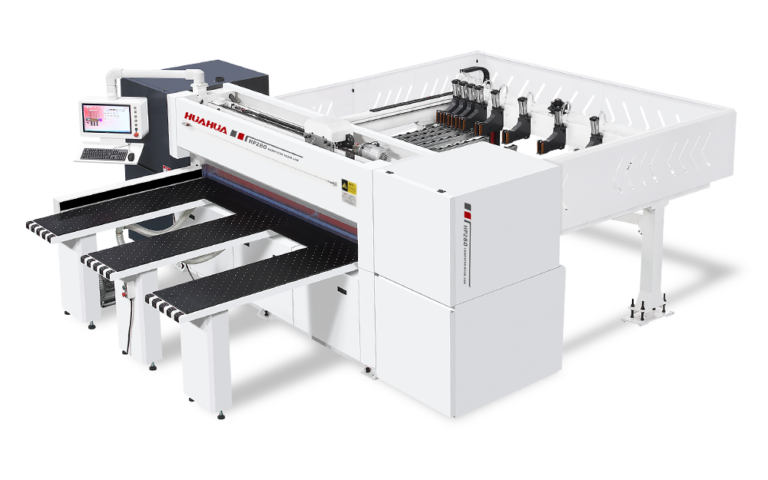
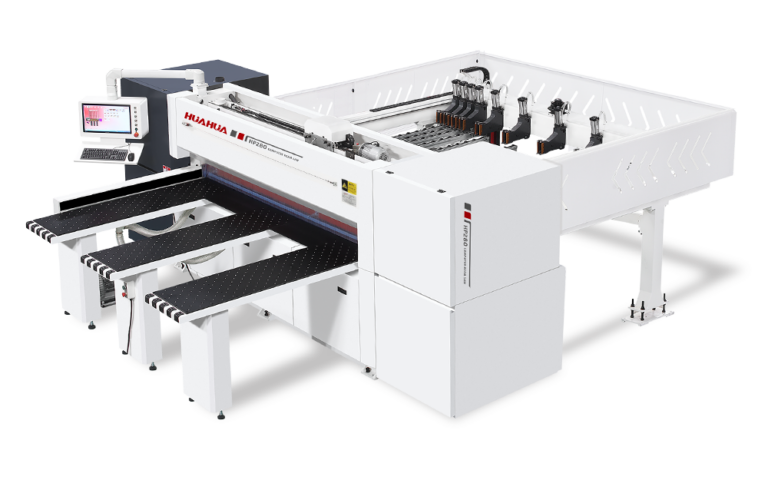
Think of the panel saw as the foundation of throughput. It removes variability in dimensioning, reduces waste from human error, and shortens cycle times. That matters because time saved at the cutting table compounds through sanding, edge-banding and assembly. I’ve guided workshops where upgrading the saw cut scrap by half and steadied daily output, not by replacing craftsmanship but by letting skilled hands focus on value-added work.
Key specifications that change results
Watch four specs closely: sheet handling capacity (max length and width), blade power and rpm, cut precision (look for ±0.5 mm or better), and automation features like servo-driven feeders or programmable batch cutting. Strong dust extraction and a robust fence/guide system matter as much as motor size. Choose features that match real throughput needs—over-specing wastes capital, under-specing creates another bottleneck.
Integration: how to fold the saw into your workflow
Install the saw where material flow is linear: receiving → cutting → labeling → storage for finishing. Digitize the cut lists and feed them straight to the machine; that reduces human transcription errors. Train two operators to alternate roles—one running the saw, the other managing offload and quality checks. Expect a realistic ramp of 4–6 weeks from delivery to steady-state production as people and machine find their rhythm.
Common pitfalls and how to avoid them
Avoid these mistakes: buying by horsepower instead of cut quality; neglecting maintenance plans; and skipping full-shop airflow redesign when adding larger saws. Tighten supplier agreements for spare blades and calibration checks. Don’t let a new machine sit underused because your staging or material handling can’t keep up—sort conveyors or carts before the saw arrives.
Real-world perspective that grounds the choice
At trade gatherings such as High Point Market, conversations revolve around reproducible quality and shorter lead times—exactly where panel saws deliver value. Seeing machines side-by-side at such events helps manufacturers compare layout footprints and material handling options, and many exhibitors highlight their use with a cnc furniture machine on the shop floor to show how panels move from cut to assembly in one continuous rhythm.
Alternatives and quick comparisons
Small shops sometimes choose vertical beam saws or hand-fed composite saws. Vertical beam saws save footprint but usually lower throughput. CNC routers offer versatility for profiles and nested cutting but can be slower for pure panel ripping. Match the tool to the volume and part mix: pure panel-heavy production calls for a robust industrial panel saw; mixed, high-prototyping work leans toward CNC routers.
Measuring success and protecting your investment
Set three concrete KPIs before purchase: waste percentage per 100 sheets, average cut cycle time, and on-time-complete rate for finished orders. Maintain a log of blade changes, calibration, and downtime. A two-year plan that includes training, spare-part budgets and a maintenance schedule will preserve capacity and reduce surprises.

Wrapping the solution into your craft
Address the bottleneck first, keep decisions practical, and protect craftsmanship by automating repetitive precision work. When you choose tools that fit your volume and layout, production grows without losing the character of your pieces, and long-term stability comes from clear maintenance and training plans—qualities embodied in solutions like HUAHUA CNC that focus on usable, reliable equipment rather than flashy specs alone.