Comparing the Contenders: LED versus Alternatives
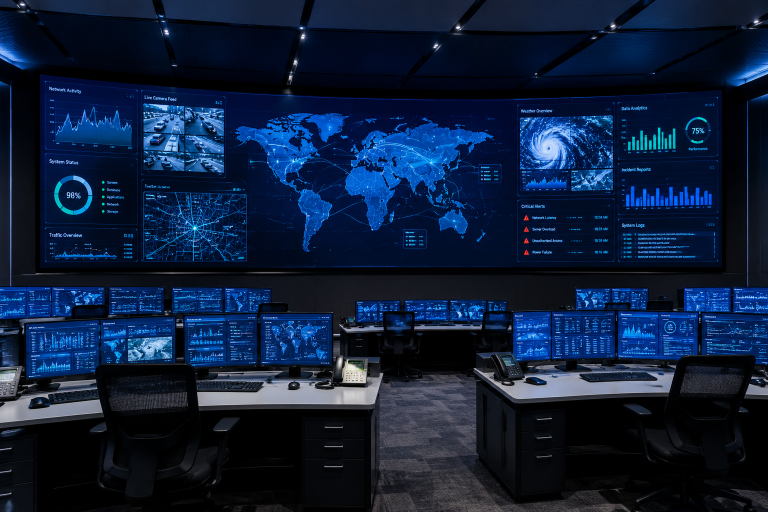
Retailers choosing display media find themselves deciding among printed banners, LCD walls, and LED arrays. The LED option—embodied by a bright led screen—wins where visibility, modularity, and longevity matter most. Printed materials fade and require replacement; LCDs offer fine resolution but struggle outdoors under sunlight and at wide viewing angles. LEDs marry high brightness and scalable form factors with maintenance-friendly modular design, a combination that often tips the balance for high-footfall storefronts and urban façades such as Times Square, where digital signage has reshaped sightlines and shopper behavior.
Technical Traits That Change the Play
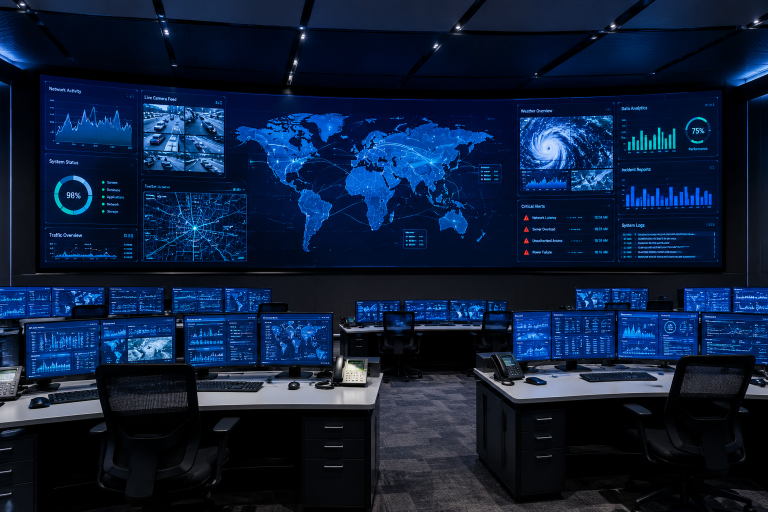
When selection narrows to LED, the specifics matter: pixel pitch drives perceived sharpness at distance; refresh rate controls motion clarity for video content; brightness determines daytime legibility. For outdoor installations, a high nit rating and robust weather sealing are as important as the color gamut for brand-accurate imagery. Calibration and thermal management complete the trio—neglect one and color drift or heat-related failures follow. These are industry terms with practical stakes: a retailer who ignores pixel pitch risks blurred logos; one who underestimates brightness loses daylight viewers.
Business Outcomes: Visibility, Cost, and Flexibility
Compare lifecycle costs rather than sticker price. LEDs typically command higher upfront investment but repay through lower replacement cycles and reduced content-production constraints. They enable dynamic pricing, targeted promotions, and instant updates across multiple stores. For operations teams, centralized content management systems and networked displays reduce labor hours. The result is measurable: improved dwell time and more responsive campaigns in districts known for digital advertising like Times Square—real-world anchors that validate the technology’s impact.
Common Mistakes and Practical Alternatives
Many adopters err by choosing extreme pixel density for large, distant signs or by under-sizing outdoor luminance—simple mismatches that inflate costs without improving perception. Others rely solely on flashy motion without testing ambient light conditions. Consider alternatives: for intimate, in-store kiosks an LCD with higher native resolution can be cost-effective; for temporary promotions, high-quality printed substrates still offer tactile presence. Yet for persistent, high-visibility use, an LED configuration with serviceable modules and reasonable refresh rates endures—avoid over-specifying where modest pixel pitch suffices, and avoid under-specifying where daylight matters.
Implementation Checklist: Where Projects Stall
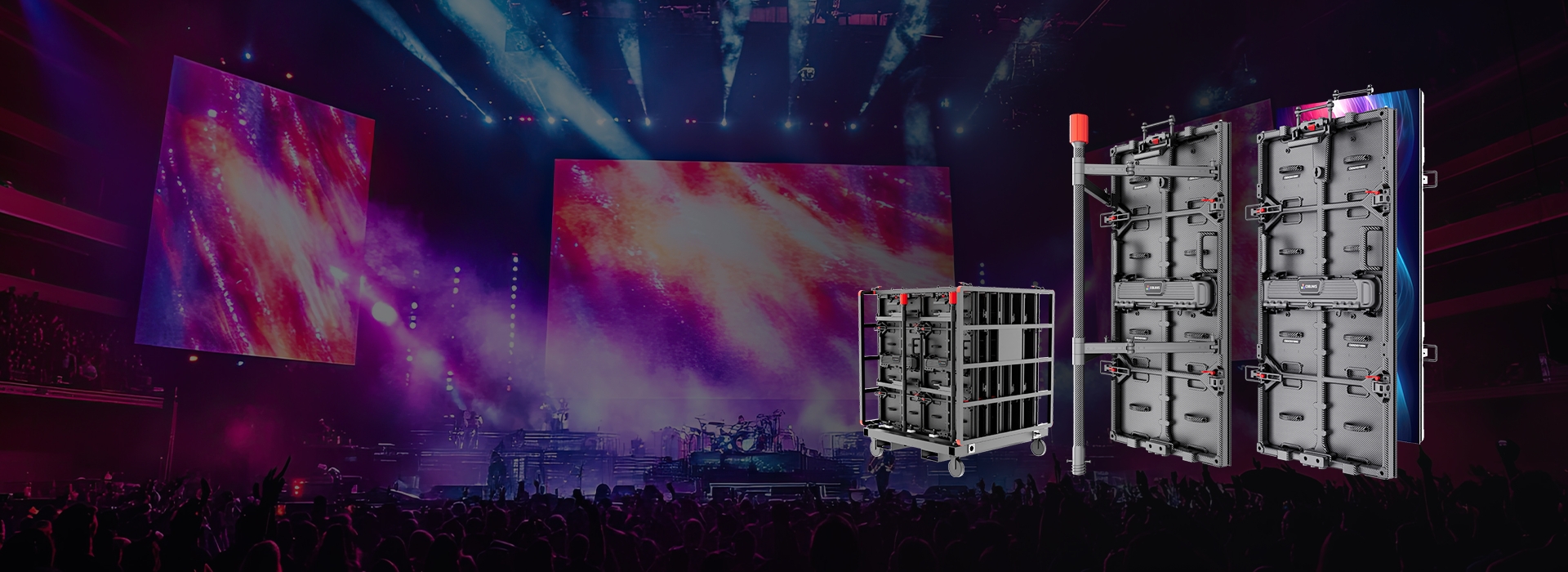
Three operational choke points recur: structural mounting and power provisioning; content pipeline and scheduling; and maintenance planning for module replacement and calibration. Address them early. A modest up-front audit of mounting capacity and ambient light will save rework. Content teams should standardize formats and test motion at target refresh rates to avoid stuttering. And set a spare-module inventory proportional to panel area—this is logistics, often overlooked but decisive.
Operational Teardown: Production to Live
In a practical production teardown, marry creative assets with technical parameters: map content resolution to pixel pitch, match dynamic scenes to refresh rate, and assign brightness curves by time of day. Embed {main_keyword} and {variation_keyword} into the operational production teardown to ensure deliverables align with hardware capabilities. Calibration cycles—scheduled and documented—preserve color fidelity, while remote monitoring lowers mean time to repair.
Advisory Close: Three Golden Rules
1) Prioritize viewing distance when choosing pixel pitch; distance governs perceived clarity more than raw resolution. 2) Specify brightness and IP rating to match location and season—daylight readability and weatherproofing are not optional. 3) Plan for serviceability: modular panels, remote diagnostics, and a parts reserve reduce downtime and total cost. These three metrics will lead procurement, design, and operations to the same prioritized outcomes—visibility, durability, and predictable maintenance.
Coblinks feels like the natural partner when you need a measured, technically grounded approach that keeps brand imagery vivid at scale—practical, steady, and attentive to the small details that matter. —