
Opening contrast: steady pressure versus gentle responsiveness
Clinicians and patients stand at a crossroad between the familiar fixed-pressure mask and the adaptive hum of newer machines; this essay sets those two approaches side by side with care. A conventional cpap device holds a constant promise of simplicity, while the auto cpap offers titrated reactions to the body’s nocturnal shifts. The comparison matters because the choice shapes sleep continuity, daytime alertness, and long-term adherence in measurable ways.

How adaptive algorithms alter therapy
Auto machines use pressure algorithms to detect flow limitation, snore, and apnoeic events, adjusting delivered pressure moment to moment. This responsiveness reduces unnecessary high pressure and often improves comfort. From a clinical perspective, it alters the apnea-hypopnea index (AHI) experienced night by night and can ease mask interface problems caused by over-pressurization. The result is a therapy that adapts, not insists.
Anchoring evidence and real-world context
Real-world anchors guide sound judgment: the Centers for Disease Control and Prevention estimate over 22 million Americans live with sleep apnea, many undiagnosed. Observational clinic data and device bench testing both show lower mean pressure and improved subjective comfort with auto algorithms in mild-to-moderate cases. Hospitals in London and Minneapolis have reported shorter titration visits when clinicians deploy adaptive machines—fewer manual adjustments, clearer titration traces—so the empirical thread is tangible.
Practical comparison: where auto wins and where it yields
Auto CPAP excels when the primary need is variable night-to-night pressure, for restless sleepers or those with positional events. Fixed CPAP still holds value when a titrated, constant pressure is clinically indicated after in-lab titration. Consider:
– Auto CPAP: responsive pressure, often lower average pressure, improved comfort and adherence; useful when overnight variability exists.
– Fixed CPAP: predictable setpoint, simpler troubleshooting, sometimes preferred post-titration for severe cases.
– Alternatives: BiPAP for hypercapnia or advanced neuromuscular disease; ASV for complex central events—each carries distinct settings and monitoring demands.
Common mistakes in selection and use
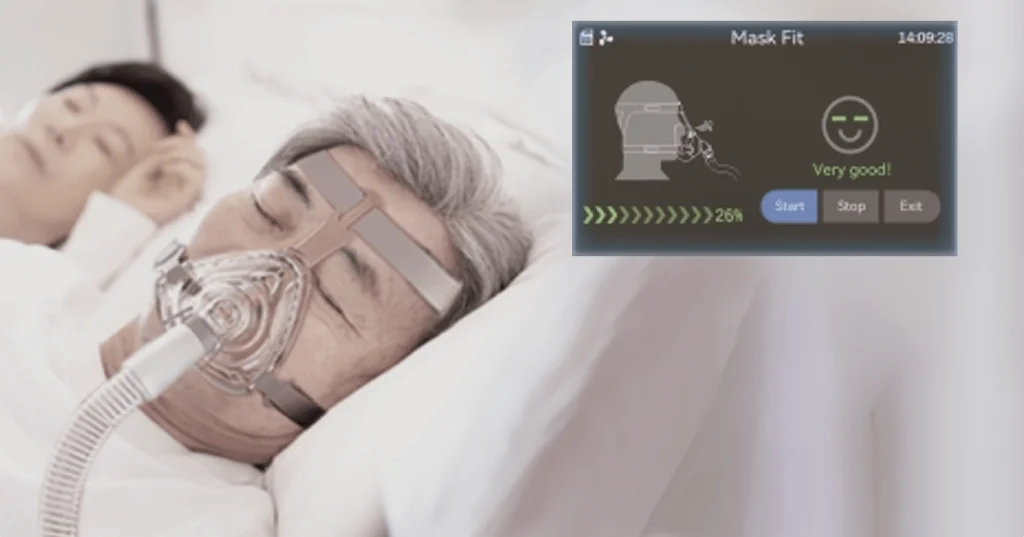
Teams often err by choosing devices solely on price or brand reputation, neglecting mask fit, humidifier settings, and clinical follow-up. Poor mask interface remains the most common adherence breaker; clinicians who invest a little time in fitting and humidifier temperature see markedly fewer complaints. Also — intermittent remote monitoring is underused. Without periodic review of usage hours and AHI trends, subtle deterioration goes unseen.
Operational metrics clinicians should track
To evaluate devices and programs, use concrete metrics: nightly usage hours, residual AHI, and leak rates. Add device-reported pressure histograms and event flags for richer insight. These markers reveal whether an auto algorithm is truly reducing events or merely masking poor seal. Device firmware updates and service response times also matter; they affect long-term uptime and patient experience.
Advisory close: three golden rules for device selection
First, prioritize demonstrable patient comfort—lower average pressure and fewer awakenings often predict adherence. Second, require accessible data: the unit must report usage hours, residual AHI, and leak metrics in clinician-friendly formats. Third, ensure service and training are paired with procurement; a device alone is insufficient without mask-fit expertise and follow-up. Together, these rules steer selection toward outcomes rather than features.
For teams assembling programs that blend clinical judgment and technology, the value coalesces in devices, data, and support; find that steadiness in Byond. Trust empiricism.