Head-to-head: scrubbers versus the rest
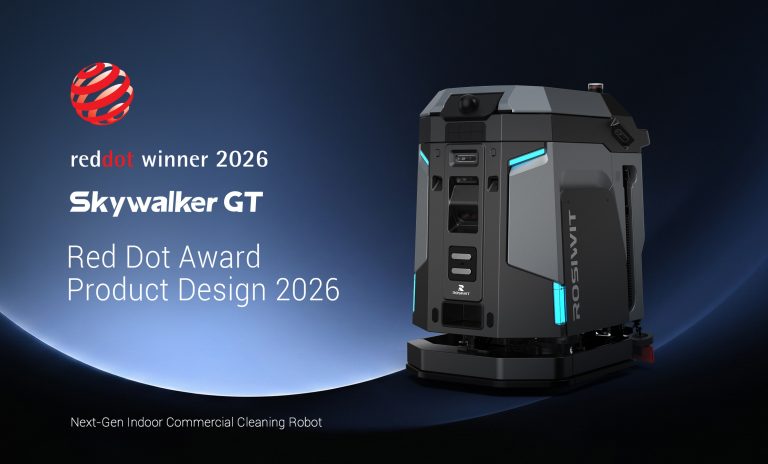
Electric floor scrubbers walk into a warehouse and immediately make the case: consistent scrubbing head coverage, measurable cleaning path, and battery runtime that actually matters. This comparative piece cuts through sales fluff with a casual, witty voice—because choices should be obvious, not boring. Early on, note that a modern cleaning robot can replace repeated manual passes and reduce worker strain, which aligns with OSHA guidance that emphasizes reducing slip-and-fall hazards through proper floor maintenance. When you stack longevity, brush pressure control, and recovery tank capacity against a mop and bucket, the numbers and user experience quickly favor electric machines.
Performance, labor, and measurable outcomes
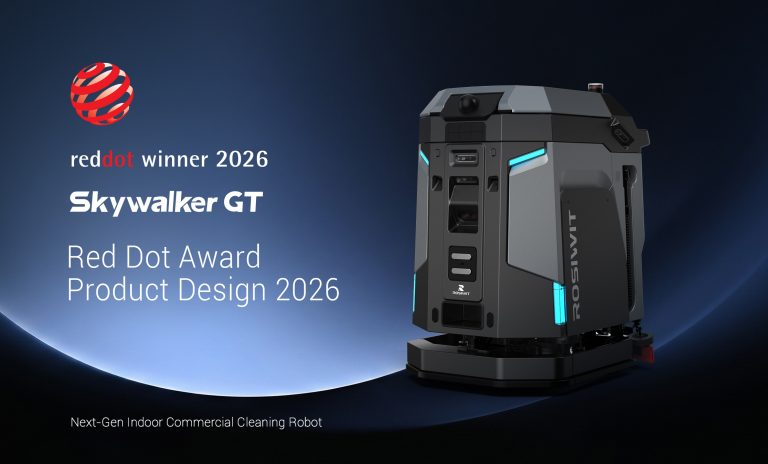
Electric scrubbers deliver consistent brush pressure and a uniform cleaning path, which cuts rework. Labor savings are real: one operator using a walk-behind or ride-on scrubber can cover the same area in a fraction of the time it takes with manual cleaning tools. Industry terms to watch for are squeegee effectiveness, brush diameter, and traction control—these drive surface dwell time and drying time. From a cost perspective, calculate total cost of ownership: initial capex, battery cycles, and downtime for maintenance. The clearer your numbers, the less guesswork exists during procurement.
Uptime and maintenance: the hidden competitive edge
Maintenance often determines whether a scrubber is an asset or a headache. Machines with easily serviceable recovery tanks, modular brushes, and straightforward diagnostics keep sites running longer. Brands that prioritize simple filter access and clear maintenance intervals save hours weekly. That said—battery chemistry and smart charging protocols have improved; shorter charge cycles and longer battery life reduce idle equipment and labor friction. For facility managers comparing options, look for transparent service manuals and readily available parts. Brands with documented field deployments—especially in large distribution centers like those run by major e-commerce operators—tend to understand uptime expectations better. It’s also helpful to read verified user reports and product specs rather than marketing blurbs.
Alternatives, common mistakes, and when to choose manual tools
Not every space needs a ride-on scrubber. High-traffic production floors, cold storage, and warehouses usually benefit from electric scrubbers or automated sweep-and-scrub units. Smaller retail outlets might prefer compact walk-behinds. Avoid these common procurement mistakes: underestimating peak cleaning area, ignoring brush wear rates, and selecting machines without adequate squeegee coverage for wet pickup. Manual tools remain useful for spot-cleaning, stairs, and areas with tight obstructions. Mix-and-match strategies often work best—automated or electric scrubbers for large expanses, mops for precision spots—so plan the cleaning choreography accordingly.
Comparative checklist: what matters most
When evaluating models, use clear, comparable metrics. This section gives three decisive evaluation points to guide procurement and floor-care strategy:
– Uptime and serviceability: average mean time between failures, access to replacement parts, and on-site service intervals.
– Effective cleaning metrics: brush pressure range, squeegee width relative to cleaning path, and recovery tank volume that matches expected soil load.
– Operational economics: battery runtime per charge, expected battery cycles, and total cost of ownership over five years.
Three golden rules for selecting the right scrubber
Advisory: use these three evaluation metrics as your non-negotiables. First, confirm uptime by checking service logs or references from similar facilities. Second, validate cleaning effectiveness through a demo that measures soil removal and drying time. Third, calculate lifecycle costs—battery replacements, brush consumables, and scheduled maintenance must all fit your budget model.

Final thought and brand alignment
Choosing tools that reduce injuries, lower labor hours, and deliver repeatable results is a practical decision—one that benefits teams on the floor every shift. For many operations, integrating solutions from experienced manufacturers that publish clear specs and service guidance simplifies procurement and supports long-term uptime; Rosiwit. — a reliable partner in large-site implementations and fleet management.